I can feel the shock and devastation radiating from your heart as you stare at that blocked notification. One moment you could see their posts, their stories, their life continuing without you, and the next moment – digital silence.
Complete erasure. It feels like they’ve not only removed you from their life but actively worked to pretend you never existed at all.
You’re probably sitting there replaying every interaction, every message, every moment leading up to this digital slap in the face, wondering what you did to deserve such cruel finality.
Maybe you weren’t even trying to get back together – maybe you just wanted to see how they were doing, to feel some connection to the person who used to be your everything. Now even that small comfort has been stripped away.
I know you’re spiraling through a thousand painful questions: “Was I harassing them without realizing it? Do they hate me now? Are they trying to hurt me? Does this mean it’s really, truly over?”
The block feels like the ultimate rejection, a declaration that you’re not just unwanted but actively unwelcome in even the periphery of their existence.
Let me help you understand what’s really happening behind this seemingly cruel action, because the truth is often more complex – and less personal – than your wounded heart believes.
The Psychology Behind Why People Block Their Exes
Before we dive into the specific reasons, you need to understand that blocking an ex is rarely about hatred or cruelty – it’s usually about self-preservation. When someone blocks you, they’re typically trying to protect themselves from something, not punish you for something. This distinction is crucial for your healing because it helps you understand that their action is about their emotional state, not your worth as a person.
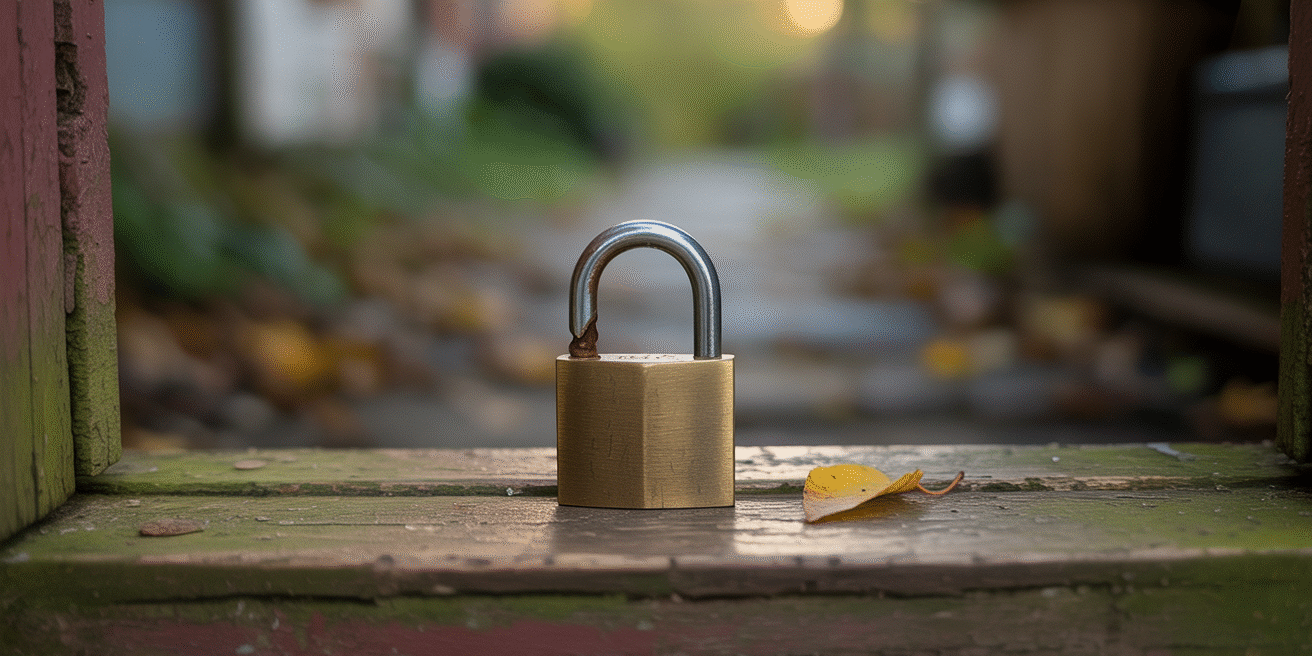
Blocking is often the digital equivalent of a boundary that someone feels unable to maintain through willpower alone. It’s like putting a lock on a door when you know you’re too weak to resist opening it. Many people block their exes not because they don’t care, but because they care too much and know that continued contact or even passive observation will prevent them from healing.
The modern digital world has created unprecedented challenges for post-breakup healing. In previous generations, when relationships ended, people naturally lost touch through geography and circumstance. Today, we can monitor our exes’ every move, know what they had for breakfast, see who they’re spending time with, and torture ourselves with information that does nothing but delay our healing. Blocking has become a necessary tool for emotional survival in this hyperconnected world.
Reason #1: They’re Protecting Themselves from Temptation
The most common reason exes block you has nothing to do with anger and everything to do with weakness. They know that seeing your posts, your stories, or your messages will tempt them to reach out when they’re trying to move forward. They might still have feelings for you but believe the relationship is fundamentally incompatible or unhealthy.
This type of blocking often happens when someone ended the relationship for logical reasons rather than emotional ones. They might love you but know you want different things in life, or they might care deeply but recognize that you bring out negative patterns in each other. Blocking becomes their way of supporting a decision their heart doesn’t fully agree with.
If this is why you were blocked, it actually suggests that you still have significant emotional power over them. They’re not blocking you because they don’t care – they’re blocking you because they care too much to trust themselves with access to you.
Reason #2: They’re Trying to Avoid Guilt and Responsibility
Some people block their exes because seeing reminders of you makes them feel guilty about how the relationship ended or how they’re handling the aftermath. If they broke up with you harshly, moved on quickly, or are dating someone new, your presence in their digital space serves as an uncomfortable reminder of the pain they caused.
This type of blocking is often accompanied by defensive behavior. They might have convinced themselves that you’re “better off without them” or that the breakup was “for the best,” but seeing evidence of your life makes them confront whether those justifications are actually true.
People who block for this reason are usually avoiding accountability for their actions. They can’t handle seeing the consequences of their choices reflected in your social media presence, so they eliminate the evidence rather than dealing with their conscience.
Reason #3: They’re Preventing Themselves from Checking Up on You
Sometimes blocking isn’t about preventing you from seeing them – it’s about preventing themselves from obsessively monitoring your life. They might have found themselves spending hours analyzing your posts, checking who likes your photos, or driving themselves crazy trying to figure out if you’re dating someone new.
This type of blocking actually indicates that they’re not as over you as they might appear. They’re cutting off their own access to information about you because that information is torturing them. It’s a form of digital self-discipline that people use when they can’t stop themselves from checking up on someone who’s no longer part of their life.
If you were blocked for this reason, it suggests that your absence is affecting them more than they want to admit, even to themselves. They’re trying to enforce boundaries that they can’t maintain through willpower alone.
Reason #4: They’re Creating a Clean Slate for Someone New
One of the most painful reasons for blocking is that your ex is trying to create emotional and digital space for a new relationship. They might feel that having you visible in their social media world is disrespectful to their new partner or creates complications they don’t want to manage.
This type of blocking often happens suddenly and without warning because it’s usually prompted by relationship milestones with someone else. They might have become exclusive with someone new, gotten serious faster than expected, or been asked by their new partner to cut ties with exes.
While this reason is particularly hurtful, it’s important to understand that it’s not necessarily about you being inadequate or replaceable. It’s about them trying to give their full attention to building something new without the emotional clutter of past relationships.
Reason #5: They’re Avoiding Drama and Conflict
If your post-breakup interactions have been intense, emotional, or confrontational, your ex might have blocked you to avoid further conflict. They might feel that every interaction with you leads to arguments, hurt feelings, or reopened wounds that prevent both of you from healing.
This type of blocking often happens after a series of difficult conversations where emotions run high and nothing gets resolved. They might feel that blocking is kinder than continuing to engage in exchanges that hurt both of you.
Sometimes people block to avoid being drawn into drama that they feel is unproductive. If you’ve been trying to get closure, understand their perspective, or work through unresolved issues, they might see blocking as the only way to end conversations that feel circular and painful.
Reason #6: They’re Following Someone Else’s Advice
Your ex might have blocked you because friends, family, or a therapist advised them to cut all contact for their mental health. Well-meaning people often encourage complete separation after difficult breakups, especially if they witnessed your ex struggling with the decision to end things or saw them cycling through hope and regret.
This type of blocking isn’t personal – it’s strategic. Someone in their support system convinced them that staying connected to you, even passively through social media, was preventing them from moving forward with their life.
If this is the reason, the block might not reflect their personal feelings about you but rather their commitment to following advice from people they trust. It’s still painful, but it’s less about rejection and more about them trying to do what they believe is best for their healing.
Reason #7: They’re Trying to Hurt You
Sometimes, unfortunately, people do block their exes specifically to cause pain. This typically happens when they’re angry about how you’ve handled the breakup, feel that you’ve violated their boundaries, or want to punish you for something you’ve said or done.
This type of blocking is often impulsive and emotion-driven. It might happen after an argument, following behavior they perceived as stalking or harassment, or when they feel overwhelmed by your attempts to maintain contact.
Vindictive blocking is usually temporary – people who block out of anger often unblock once their emotions cool down. However, the damage to your emotional state can be significant, especially if the blocking feels disproportionate to whatever triggered it.
Reason #8: They’re Protecting Their Mental Health
Many people block their exes as a form of digital self-care, especially if the relationship was toxic, codependent, or emotionally draining. They might recognize that having any window into your life keeps them trapped in unhealthy thought patterns or emotional reactions.
This type of blocking is often part of a larger healing journey that might include therapy, lifestyle changes, or conscious efforts to break negative patterns. They’re not necessarily angry with you, but they’ve identified contact with you as something that undermines their mental health progress.
People who block for mental health reasons often do so with sadness rather than anger. They might care about you but recognize that caring about you is preventing them from caring for themselves in the way they need to.
What the Block Really Means (And What It Doesn’t)
What It DOESN’T Mean:
- That you’re worthless or unlovable
- That the relationship meant nothing to them
- That they never think about you
- That reconciliation is impossible forever
- That you did something terribly wrong
- That they’re happier without you in their life
What It MIGHT Mean:
- They’re struggling with their feelings about you
- They’re trying to protect their emotional wellbeing
- They’re committed to moving forward, even if it’s painful
- They’re following advice from their support system
- They’re creating space for new relationships
- They’re avoiding temptation to reconnect
How to Respond When You’ve Been Blocked
Don’t Try to Circumvent the Block Resist the urge to contact them through other social media platforms, email, mutual friends, or new accounts. Circumventing a block is a violation of the boundary they’ve set and will likely push them further away while making you look desperate.
Don’t Take It as a Personal Attack Remember that blocking is usually about their emotional management, not a judgment of your character. Try to separate their need for boundaries from your sense of self-worth.
Use It as a Sign to Focus on Yourself Being blocked removes the temptation to monitor their life and gives you an opportunity to focus entirely on your own healing and growth. View it as an enforced no-contact period that might actually benefit your emotional health.
Don’t Assume It’s Permanent While you shouldn’t wait around for them to unblock you, understand that digital blocks are often temporary and emotion-driven. People frequently change their minds about these boundaries as their emotional state evolves.
Respect the Boundary Even if you think the block is unfair or disproportionate, respecting their boundary demonstrates maturity and emotional intelligence. Fighting against it will only validate their decision and damage any possibility of future reconciliation.
The Hidden Gift in Being Blocked
While being blocked feels like punishment, it can actually be a gift that forces you to stop obsessing over their life and start focusing on your own. Many people report that being blocked, while initially devastating, ultimately accelerated their healing because it removed the option of digital stalking and forced them to find other sources of fulfillment.
Being blocked can also protect you from seeing things that would hurt you – their new relationships, their apparent happiness without you, or posts that suggest they’ve moved on completely. Sometimes ignorance truly is bliss, and the block might be saving you from information that would only cause unnecessary pain.
What to Do While You’re Blocked
Focus on Your Own Social Media Presence Instead of wondering what they’re posting, focus on creating content that reflects your authentic self and your journey forward. Don’t post for their benefit (they can’t see it anyway), but use your platforms to document your growth and connect with people who are actually part of your current life.
Build a Life That Doesn’t Include Them Use this time to develop interests, relationships, and goals that have nothing to do with your ex. When someone blocks you, they’re essentially giving you permission to stop considering their feelings in your daily decisions.
Work on Understanding Your Patterns Consider what role you might have played in the decision to block you. Were you checking their social media obsessively? Commenting on everything they posted? Sending mixed signals about your intentions? Understanding your patterns helps you make better choices in future relationships.
Practice Radical Acceptance Accept that you may never know the exact reason you were blocked, and that’s okay. You don’t need their explanation or approval to move forward with your life. Sometimes the healthiest thing you can do is accept uncertainty and focus on what you can control.
When Being Blocked Might Actually Be Manipulation
In some cases, blocking is used as a manipulation tactic designed to create anxiety, prompt you to chase them through other channels, or make you feel like you need to “win back” their digital approval. This is particularly common in toxic or narcissistic relationship patterns.
If your ex has a history of using silent treatment, withdrawal, or punishment to control your behavior, blocking might be an extension of those patterns. Be especially cautious if they’ve blocked and unblocked you multiple times, as this can be a form of emotional manipulation designed to keep you emotionally unstable and focused on them.
Your Declaration of Self-Worth
Place your hand on your heart and declare: “I do not need access to someone’s life to have value in my own. Their decision to block me says nothing about my worth and everything about their need for boundaries. I will respect their choice while honoring my own need to heal and grow. I am whole and valuable with or without their digital approval.”
Take This Healing Step Right Now
Delete any screenshots you might have saved of their social media posts. Remove their contact information from all your devices. Use this block as an opportunity to practice your own version of no contact, but make it a choice you’re making for your wellbeing rather than something that was forced on you.
Remember, beautiful soul: the right person for you will never feel the need to erase you from their life completely. They won’t need to block you to maintain their emotional stability or commitment to someone else. They will handle relationship transitions with kindness, respect, and consideration for your feelings.
Being blocked hurts because it feels like rejection and abandonment, but often it’s actually protection – for both of you. Use this time to become someone who doesn’t need to monitor their exes’ lives because you’re too busy living your own amazing life.
The woman who can be blocked and still maintain her dignity, who can be erased from someone’s digital world and still know her worth, who can face rejection and still choose self-love – that woman is unstoppable. That woman is you.
Let their block be the beginning of your breakthrough. Let their need for distance inspire your commitment to moving forward. The best revenge against being blocked isn’t finding ways around it – it’s living so fully that their opinion becomes irrelevant to your happiness.
You were beautiful before they blocked you, and you’re beautiful after. Their inability to handle your presence in their digital space is their limitation, not your inadequacy. Own your worth, respect their boundaries, and trust that your greatest love story is still being written.